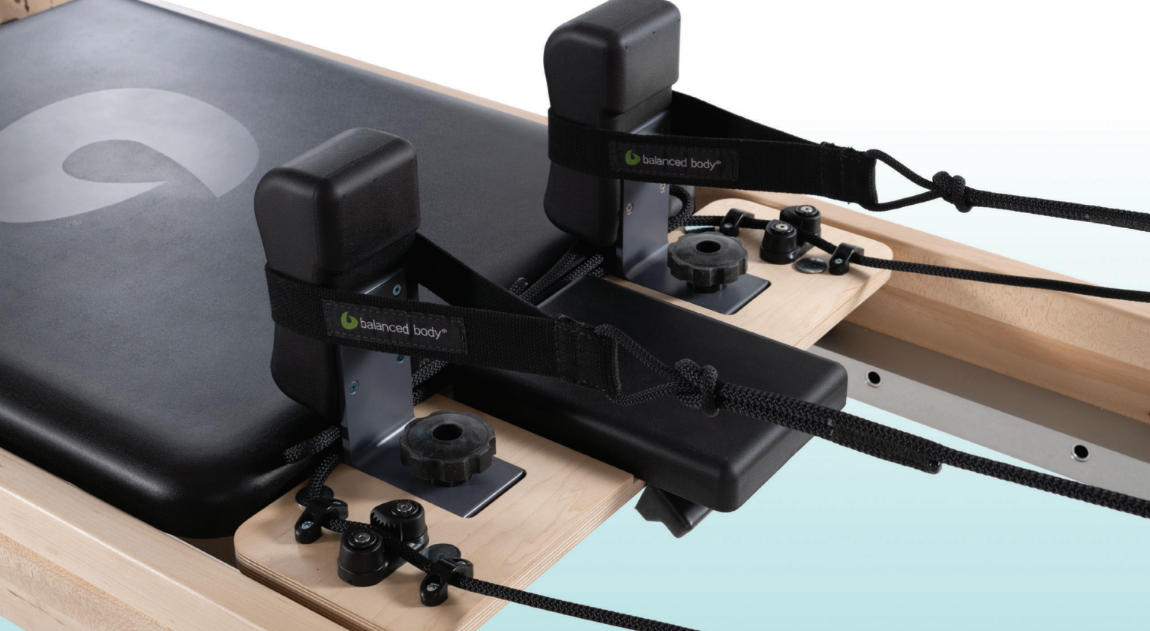
Balanced Body is one of the leading manufacturers in the Pilates industry. Anyone who thinks about reformers, even with basic knowledge, would place this brand in the top three.
It is known worldwide for manufacturing reformers, Cadillacs, chairs, and barrels used in studios, rehabilitation clinics, and homes around the globe. For any studio owner comparing equipment brands, Balanced Body is usually one of the first names that comes to mind, and understanding its history, positioning, and product range helps explain why.
Personally, I have worked with several of their models, and they are machines where you immediately feel their quality, not only during the first few exercises but also over time, thanks to the excellent craftsmanship, quality, and durability of their components.
History
Balanced Body was founded in 1976 by Ken Endelman, so it celebrates its 50th anniversary in 2026. At that time, Ken was working as a custom furniture designer in Hollywood, California. According to the company’s own account, a Pilates instructor asked him to build an improved version of a reformer, a machine he was unfamiliar with at the time. After studying Joseph Pilates’ original designs and consulting with some of the method’s early teachers, Endelman built a new reformer that was smoother, quieter, and safer than the originals.
That project marked the beginning of a company that would substantially modernize Joseph Pilates’ original equipment, combining engineering, new materials, and manufacturing techniques that didn’t exist in Joe’s time. Endelman has registered dozens of patents in the US for his designs over the decades, and he also led the legal battle that resulted in a US court ruling that “Pilates” is a generic term, which opened the door for any teacher or brand to use the name freely.
Balanced Body is headquartered in Sacramento, California, where its equipment is also designed and manufactured. It’s important to mention that they manufacture in the United States. Logically, there will be components they might import—for example, screws, which I haven’t verified—but my point is that they are not an assembler.
Market Positioning
Balanced Body positions itself as one of the world’s largest players in Pilates equipment and training, selling to fitness centers, studios, rehabilitation clinics, and home users in approximately 140 countries. Instead of targeting a single niche, the brand covers a broad spectrum: entry-level home reformers, high-volume commercial equipment designed for group classes, and rehabilitation-oriented machines used by physical therapists.
This broad positioning is part of what differentiates Balanced Body from more boutique manufacturers or those focused on the traditional method: they operate on an industrial scale while continuing to sell craftsmanship and meticulous manufacturing as part of their identity.
From the very first moment you contact the brand, you feel supported and guided to choose the option that best suits your needs, and this is something they convey from the outset.
Product Range
The Balanced Body catalog covers the main categories of Pilates equipment:
Reformers — the broadest and most varied category, from professional studio models to home-oriented versions, including machines designed for rehabilitation and even patented sliding bars for a wider range of users and exercises.
Reformers with Tower — reformers that transform into a complete Cadillac with an added tower and mat system.
Cadillac/Trapeze Table — a traditional, full-size apparatus for a wider range of exercises.
Chairs and Barrels — complementary equipment used alongside reformers in complete studio setups.
The brand is known for iterating and innovating its product lines instead of maintaining static models for decades. Reformers are redesigned, renamed, or replaced as materials and manufacturing methods evolve. This is why it is among the brands that most “inspire” other manufacturers.
Main Models
Some of the most relevant current and recent reformer models are:
Allegro 2 — the brand’s flagship studio reformer, launched in 2011 and still widely used in professional settings, known for its adjustable footbar and smooth carriage system.
Allegro Nextgen — the new generation of the long-running Allegro line, with an updated footbar and design.
Bravo Reformer — a newer model made with a recycled material frame, positioned around sustainability.
Studio Reformer — a more accessible model designed for studios with tighter budgets, without compromising product quality.
Metro IQ — A home-oriented reformer line.
Cadillac/Trapeze Table — the brand’s traditional, full-size machine.
Who It’s For
The Balanced Body range is broad enough to serve several distinct buyer profiles:
Studio owners who teach group or semi-private classes and need durable, high-turnover equipment with good warranty support.
Rehabilitation and physiotherapy settings, where reliability and stability matter as much as aesthetics.
Home users looking for studio-level quality on a smaller scale, especially with the entry-level Metro IQ and Allegro options.
Because the catalog covers various budget levels, Balanced Body doesn’t fit a single type of buyer; the right model largely depends on which specific line within the brand you’re considering.
Advantages and Limitations
Advantages:
Long manufacturing history and a deep patent portfolio behind its engineering.
Extensive global distribution network, with equipment sold in approximately 140 countries.
Good warranty coverage (typically 10 years on the reformer frame).
Broad product range covering almost every equipment category a studio might need.
Limitations:
Premium price compared to lesser-known or regional manufacturers.
As one of the most copied brands in the industry, buyers should be careful to purchase through authorized dealers to avoid counterfeit equipment.
Some older or discontinued models may be more difficult to find spare parts for compared to current production lines; this is understandable given their fifty years in the industry.
Source: Information compiled from the official Balanced Body website (pilates.com), company public statements, and primarily my personal experience. Last verified: July 2026.